
• 00Days Before Legislative Session

Veterans & Military Families Caucus

Democratic Party of New Mexico

About the NM VMF Caucus

Our Mission

The Veterans and Military Families Caucus (VMFC) champions the interests of our veterans and their families and advocates to ensure the benefits they have earned in service to our nation are protected.

Our country has a sacred, moral responsibility to honor all of our veterans and wounded warriors.

The Caucus works to bring more veterans with aligned values into the DPNM and to ensure the DPNM carries out its responsibility to support issues specific to veterans and their families.

The VMF Caucus will accomplish our mission through these Courses of Action (COA).

  • Internal Audience COAs are primarily intended for fellow caucus members.
  • External Audience COAs are focused outward on those individuals and organization we wish to collaborate with and influence.
  • Some COAs encompass engaging Both Audiences.
  • CREATE AN ATMOSPHERE where members share their concerns and issues with the Caucus leadership to facilitate our accurate and effective advocacy on their behalf
  • PROVIDE links to available services and assistance in finding the right service providers to meet members’ needs.
  • EDUCATE our members about relevant pending and passed legislation, methods to communicate with their elected officials, and opportunities to testify during the legislative session.
  • ENCOURAGE veterans and military family members, who embrace the values of our DPNM platform, to participate in politics from voting to advocating to running for office.
  • ADVOCATE at the local, state and national levels of government, including for legislation, program funding, and other support for issues specific to our Caucus members and the VMF community.
  • SEEK out candidates and elected officials who are potential advocates for VMF, advise them on relevant concerns and issues, and solicit their support.
  • ESTABLISH relationships with governmental organizations that serve veterans and hold them accountable to providing top quality and reliable services.
  • COLLABORATE with organizations – partisan, bipartisan, non-profit, and others – that have common goals to strengthen our influence and ability to achieve our goals.
  • BE A CONDUIT of information to our members and partner organizations for resources, legislative priorities, and guidance on modes of activism to garner support.
  • INFORM the DPNM of the VMF community’s issues and raise awareness among the VMF community that the DPNM supports them and welcomes their participation and membership. 

Bylaws

Approved by the DPNM Executive Committee 6 January 2023

ARTICLE I – ORGANIZATION NAME

The name of this organization is the New Mexico Veterans and Military Families Caucus, hereinafter referred to as “the Caucus”. The Caucus is an approved affiliate of the Democratic Party of New Mexico, hereinafter referred to as “the DPNM”, by virtue of authorization by the DPNM State Central Committee.

ARTICLE II – PURPOSE

Section 1 The Caucus shall inform ourselves, our communities and the DPNM on issues concerning veterans and military families at the local, state, and national levels.

Section 2 The Caucus shall provide the leadership, recruitment effort and support necessary to encourage veterans and military family members to register to vote and to participate in local, state, and national politics.

Section 3 The Caucus shall initiate and/or host forums so that elected officials, candidates for public office and veterans and military family participants will have the opportunity to interact and collaborate on solutions to issues of mutual concern.

Section 4 The Caucus shall recruit, support and assist interested veterans and military family members to become candidates for local, state, and national political offices as well as precinct, district, and state party positions within the DPNM structure. Veteran and/or military family member status will not ensure the support of the Caucus. By majority vote, the Executive Committee (Exec Comm) of the Caucus will decide whether, and how, to support each specific unopposed Democratic candidate, including a potential endorsement by the Caucus.

Section 5 The Caucus will support and promote the principles of clean and fair elections as guaranteed by the U.S. and New Mexico Constitutions, and current existing federal and state regulations relative to elections and will encourage participation

ARTICLE III – MEMBERSHIP

Section 1 a) Membership in this Caucus is open to all registered New Mexico Democrats who share the same interests and goals of the Caucus and who support the principles of the DPNM, and who are:

  • veterans of all branches of the U. S. Armed Services including the U.S. Coast Guard,
  • active-duty members of the U.S. Armed Services including the U.S. Coast Guard,
  • active and former New Mexico National Guard members,
  • active and former members of the Reserves of the U.S. Armed Services,
  • active and former members of the U.S. Merchant Marine,
  • former members of the Women’s Air Service Pilots (WASPs),
  • veterans of the armed forces of the allies of the United States,
  • or family members of any of those mentioned above.

For the purposes of these Bylaws, the term “family members” includes the spouse, parents, siblings and children of a service member.

  1. b) Associate membership in this Caucus is open to all registered New Mexico Democrats and Declined to State (DTS) voters having a commitment to veterans and their families, who share the same interests and goals of the Caucus, and who support the principles of the DPNM.

Associate members shall not vote in Caucus elections or hold office on the Executive Committee. Associate members may, however, participate in Caucus activities, discussions, events, and volunteer opportunities alongside full members.

Note: This provision has been approved by the Executive Committee and adopted into the caucus bylaws. Implementation is contingent upon corresponding amendments to the DPNM Bylaws.

  1. c) No individuals who are members of any other political party, or who have registered to vote without designating a specific party, may be a member of this Caucus.

Membership registration will be acknowledged in writing, possibly in the form of an email, to the member.

Section 2 The amount of annual dues in this Caucus and the annual date of payment will be set by majority vote of the Exec Comm, but payment of dues will be completely voluntary. No eligible Democrat will be refused membership because of their inability or unwillingness to pay dues. Currently, dues are $30 per year, due in January. The amount and date of payment can be amended by Exec Comm vote.

All members are encouraged to be active within the Caucus by paying dues and/or volunteering their services as members of Caucus committee(s).

Section 3 Without regard to current or former military rank or family member status, all Caucus members are eligible for election to a Caucus office, except the offices of Chair and Vice Chair at Large, which must be either veterans or active-duty military members, to include members of the New Mexico National Guard and U.S. Reserves of all branches of the armed services. There shall be no age requirement for Caucus office save where prescribed by law.

Section 4 All members of the Caucus shall support non-discrimination among the members and others on the basis of race, color, national origin or ethnicity, age, gender, sexual orientation, religion, disability or other discriminating factor under federal or state law.

ARTICLE IV – ORGANIZATION AND ADMINISTRATION

Section 1 The Exec Comm of the Caucus shall be the governing body of the organization and shall consist of the Chair, Vice Chair at Large, two Congressional District Vice Chairs from each Congressional District (CD), Secretary and Treasurer. Usually headed by the Caucus Chair, the Exec Comm will have general supervision of all Caucus affairs.

All officers, except for the Secretary and Treasurer, shall be elected to two-year terms by vote of the general membership via an on-line ballot in odd-numbered years immediately following the legislative session, to allow the outgoing officers to serve through this key legislative advocacy period. The Secretary and Treasurer will be elected by the other eight members of the Exec Comm as soon as possible after the beginning of their terms in office. All Exec Comm members are volunteers and shall not receive any monetary or in-kind compensation for their service in the execution of their duties.

Election of the Chair and Vice Chair at Large will be by majority vote of all members of the Caucus choosing to participate in the election process.  In the case of no candidate for these positions receiving a majority of the votes, a run-off election between those top candidates whose combined votes represent a majority must be held, with possible subsequent elections occurring until such time as one candidate obtains a majority of the votes cast.

Election of the six (6) CD Vice Chairs will be by all eligible participating members residing and registered within the applicable CD. Any eligible member, regardless of veteran, active-duty military, or family member status, may be a candidate for the positions of CD Vice Chair, Secretary or Treasurer.

In the case of a vacancy occurring on the Exec Comm for any reason, the vacancy may be filled for the remainder of the two-year term by consensus of two thirds of the remaining members on the Exec Comm.

Section 2 From time to time the Exec Comm may create, and appoint members to, specific standing and temporary committees to carry out such duties and responsibilities as are granted to it by the Exec Comm and shall be subject to the control and direction of the Exec Comm.

Section 3 Meetings of the General Membership, CD components, the Exec Comm, and other established committees may be in-person, via the Internet or a combination of the two. The act of a majority of the members present, in person or electronically, at a meeting at which a quorum is required and established shall be considered an act of the committee.

  1. a) General Meetings will be held at least once a year, the date of the meeting to be posted on the website at least two weeks in advance. The Caucus Chair, or the Vice Chair at Large in the event of the Chair being absent, shall preside at all General Meetings but will have no vote except when needed to break a tie. When the agenda for the meeting includes only approval of minutes, Treasurer’s report and other informational items and reports, there will be no quorum requirement. Agenda items that call for a vote require ten percent (10%) of the total number of Caucus members to be in attendance, either in person or by electronic means, to establish a quorum.
  2. b) All officers specified in these Bylaws will be elected for two-year terms in each odd-numbered year, except for officer appointments to fill vacancies. Candidate information and voting procedures will be posted on the Caucus website.
  3. c) CD meetings may be held with the time and place agreed to by the two Vice Chairs of each CD. CD meetings are primarily intended to be informational or social in nature, thus there are no quorum requirements.
  4. d) The Exec Comm will meet at least quarterly for the conduct of Caucus business. When the meeting includes only approval of minutes, Treasurer’s report and other informational items and reports, there will be no quorum requirement. A quorum requirement of forty percent of the members of the Exec Comm will exist for any official business to be conducted, such as approval on expenditures in excess of $500 or for a vote on a proposed course of action by the Caucus.
  5. e) Meetings of all other standing and temporary committees will be called by either the chair of the committee or the Caucus Chair. These will primarily be working committees and will have no quorum requirements.

Section 4 Duties of officers are as follows:

  1. a) Chair – It shall be the duty of the Caucus Chair to preside at all General Meetings and meetings of the Exec Comm, serve as the principal spokesperson for the Caucus, and have general supervision of the affairs of the Caucus. The Chair will be a member of the Membership and Recruitment Committee. The Chair may execute, on behalf of the Caucus, all instruments in writing which may be required or authorized by the Exec Comm for the proper and necessary transaction of the business of the Caucus. With the advice and consent of the Exec Comm, the Chair shall create standing and temporary committees, subcommittees or special groups deemed necessary to achieve the purpose and objectives of the Caucus. The Chair may request approval of the Treasurer for the expenditure of Caucus funds not to exceed $250 for immediate operational needs, with a subsequent email notifying the Exec Comm of the expenditure and its necessity.
  2. b) Vice Chair at Large – The Vice Chair at Large shall, in the absence of the Chair, preside at General Meetings and Exec Comm Meetings, and shall assist the Chair in the discharge of the Chair’s duties. At the direction of the Chair, the execution of any instrument by the Vice Chair at Large, on behalf of this Caucus, shall have the same force and effect as if it were executed by the Chair.
  3. c) Secretary – It shall be the duty of the Secretary to take and preserve the minutes and attendance records of all proceedings at General Meetings and Exec Comm meetings and provide for the secure custody of both the physical and electronic records and documents of this Caucus. The Secretary shall assist committee chairs in scheduling virtual meetings held on Zoom. A written report of the minutes of the proceedings of the previous General Meeting or Exec Comm meeting shall be presented by the Secretary at each General Meeting and at each Exec Comm meeting. Twice each year the Caucus Secretary will submit a written report to the Secretary of the DPNM, as required by DPNM Rules.
  4. d) Treasurer – The Treasurer shall have charge of the funds of this organization and shall make no disbursements thereof without authority or ratification by the Exec Comm or the Chair. The Treasurer shall maintain the Caucus checking account, disbursing funds as appropriate and recording donations. The Treasurer shall monitor Act Blue, adding dues and donations to the membership database, and shall prepare and maintain the Caucus budget. The Treasurer may request approval of the Chair for the expenditure of Caucus funds not to exceed $250 for immediate operational needs, with a subsequent email notifying the Exec Comm of the expenditure and its necessity. It shall further be the duty of the Treasurer to perform all other duties usually incident to the office, including the required NM Secretary of State financial report filings. The Treasurer shall prepare a written report of the financial status of the Caucus for presentation at each Exec Comm and General Meeting. An audit of the financial documents of the Caucus may be requested at any time by a majority of the Exec Comm or by a petition signed by any twenty (20) general members.
  5. e) Congressional District Vice Chairs – The CD Vice Chairs shall have general supervision of the affairs of their respective Caucus CD, including arranging for venues for all General Meetings, Exec Comm meetings, and CD meetings to be held in their districts. The Exec Comm may assign additional duties to CD Vice Chairs as it deems necessary. CD Vice Chairs will be empowered to create local positions and committees as they deem necessary and to appoint or call for the election of individuals to fill those positions. CD Vice Chairs will serve as equal partners to co-chair CD meetings. If the two Vice Chairs are unable to reach a consensus on any given issue, the matter will be referred to the Exec Comm for resolution.
  6. f) All Caucus officers are responsible for protecting and safeguarding the integrity of   Caucus records, both physical and electronic, and ensuring there is no personal use of said records. All officers will limit access to Caucus records to authorized individuals in the performance of their official duties, and will turn over all records, physical or electronic, in their possession when leaving the Caucus.

Section 5 Standing Committees – Except as otherwise noted below, standing committees will be chaired by a Caucus member appointed by the Exec Comm. Membership on these committees is open to all Caucus officers, members and associate members in good standing. These committees will present brief reports of their activities at each meeting of the Exec Comm.

  1. a) Communications Committee – This committee will be responsible for communicating with the DPNM, other DPNM Caucuses, allied organizations, the Caucus membership and the general public, to include developing and maintaining a website, social media platforms and newsletters.
  2. b) Finance Committee – Chaired by the Treasurer, this committee will be responsible for ensuring the financial viability of the Caucus, including collection of dues and donations, and developing and implementing other fundraising projects. The Finance Committee shall be authorized to approve expenditure of Caucus funds of less than $500 at the request of the Chair and without a vote of the full Exec Comm. This authorization is intended to enable efficient purchasing for operational needs.
  3. c) Membership and Recruitment Committee – This committee shall maintain, compile and oversee recruitment and membership matters for the Caucus and shall establish and maintain a secure membership database solely for the purpose of Caucus business.  The membership database shall not be used for personal communications or shared with other individuals or organizations. The Chair will automatically be a member, and the committee will also include two other members of the Exec Comm as well as at least one additional representative from each CD.
  4. d) Bylaws Review and Revision Committee – This committee will periodically review, and propose amendments to these Bylaws. Once proposed, changes to the Bylaws must first be approved by a majority of the members of the Exec Comm and forwarded to the Secretary, DPNM, for approval. Bylaws shall be posted on the Caucus and DPNM websites.
  5. e) Committee for Veterans Advocacy – This committee will:
  • seek out and recruit veterans and military family members who may be interested in running for public or party office,
  • lend support to those candidates when unopposed in the Democratic Primary Election and when running as the nominee of the Democratic Party in the General Election,
  • engage in identifying and analyzing active legislation that impacts veterans and military families, identifying and analyzing issues the Caucus wishes to recommend as legislation, and identifying legislators to sponsor such legislation,
  • coordinate Caucus advocacy efforts during the Legislative Session,
  • and develop legislative briefings and other informational materials in support of advocacy efforts.

Section 6 General Powers and Information

  1. a) Caucus Business – The Caucus shall manage its business in accordance with these duly adopted Bylaws.
  2. b) Terms of Office – Elected officers shall hold office for two years.
  3. c) Removal for Cause – The Exec Comm, by a majority vote, may remove an officer for cause on grounds as specified by the DPNM Rules governing DPNM state officers and, by a majority vote, may also suspend or remove an officer who is found to be in violation of the Caucus Code of Conduct (found on the Caucus website, co-located with these Bylaws). The Exec Comm may also remove an officer who fails to attend three consecutive regularly-scheduled meetings of the Exec Comm without notifying the Secretary of the necessity of missing the meetings.
  4. d) Vacancies – A vacancy in any officer position may be filled by consensus of two-thirds of the members of the Exec Comm.
  5. e) Continuation in Office – No officer shall serve in the same office for more than three consecutive terms. In the case of officers appointed to fill vacancies, if the appointee’s first term is a full year or more, that will count as a full term. If the appointee’s first term is less than a full year, that first term will not count as a full term and the officer will be eligible for election to the same position three more times.

After serving the maximum period, that officer shall not be considered for election again for that same office and would not be eligible to be appointed in the case of a vacancy for the next two years.

  1. f) The Caucus has been allocated two seats on the DPNM State Central Committee (SCC); those seats will be filled by the Chair and Vice Chair at Large. If the Chair and/or Vice Chair at Large already hold a seat on the SCC due to their affiliation with another organization or are unable to fulfill the duties of an SCC member, the Exec Comm will vote on a replacement from the remaining members of the Exec Comm. If none of the remaining members of the Exec Comm are willing to accept the SCC seats, the Exec Comm will look to the leadership of the standing committees for candidates. The SCC seats will be filled based on a majority vote of the Exec Comm.

ARTICLE V – LIMITATIONS

Section 1 All activities of the Caucus shall be in accordance with the purposes, principles and policies of the Caucus as outlined in these Bylaws and the Caucus Code of Conduct, and by the DPNM Rules.

Section 2 No part of the net income of the Caucus shall inure to the benefit of any member of the Caucus. Upon the dissolution of the Caucus, if Caucus funds or other assets were raised for capital purposes, they shall be returned to the donors on a pro-rata basis. If they were raised for program or general operations, they shall be contributed to the DPNM.

Section 3 Except to the extent specifically limited in these Bylaws, the Caucus shall have all powers granted by the DPNM and by any pertaining State of New Mexico statutes. An authorized Democratic Caucus or affiliated organization may terminate its affiliation with the DPNM by majority vote of its membership or as otherwise provided in its Bylaws. An organization’s affiliation may also be revoked upon vote of the DPNM State Central Committee upon a showing of good cause.

ARTICLE VI – GENERAL RULES

Section 1 Disposition of Records

Upon leaving office, a Caucus officer shall cease use of Caucus passwords and turn over all Caucus records (physical and electronic), books and properties to his/her successor, or to the Caucus Chair if no successor is in place.

Section 2 Amendments

Amendments to these Bylaws may be proposed by any Caucus member by submitting their suggestion(s), in writing, to a member of the Exec Comm or to the Bylaws Review and Revision Committee. Proposals will be given appropriate consideration and a decision made regarding their inclusion in the Caucus Bylaws.

Section 3 Endorsements

During any Democratic primary campaigns or non-partisan elections Caucus members and officers are free to support the candidate of their choice as an individual. However, they are prohibited from directly or indirectly implying that they represent the position of the Caucus. When the DPNM has selected their candidates for public office this Caucus may not endorse or assist in any manner any other candidate other than those duly selected.

Section 4 Deposits

All funds of this Caucus shall be deposited, as promptly as is reasonably possible, to the Caucus’ credit in such federally insured banks, trust companies or other depositories as the Exec Comm may approve or designate, and all such funds shall be withdrawn only in the manners authorized by the Exec Comm.

The Treasurer, Chair and Vice Chair At Large will all be signatories on the Caucus bank account.

Section 5 Authority to Borrow or Encumber Assets

No officer, member, or agent of the Caucus shall have any power or authority to borrow money on behalf of the Caucus, to pledge its credit or to mortgage or pledge its real or personal property

Section 6 Books and Records

The Caucus shall keep correct and complete records and books of accounts and shall also keep minutes of the meetings of the Exec Comm and all other committees. The Caucus shall keep the listing of names and addresses of all current and past Exec Comm members and provide same to the DPNM. If no permanent registered office exists, physical possession of physical Caucus records by the Caucus Secretary is required.

In the case of digital and electronic records, the Secretary and Chair shall jointly establish a secure method of maintaining such records.

Section 7 Parliamentary Authority

Parliamentary matters not governed by these Bylaws, nor by the Rules of the DPNM, shall be governed by Robert’s Rules of Order Newly Revised. The Caucus is not a government entity and is not subject to the Open Meetings Act.

Section 8 Subordination

These Bylaws are subordinate to the pertinent parts of the DPNM Rules and the Rules and Bylaws established by the Democratic National Committee. In any case where these Bylaws conflict with those superior documents the superior document will prevail.

Section 9 Supersedes all previous Bylaws

These Bylaws supersede all previous Bylaws of the Caucus.

Section 10 Full Force and Effect

These Bylaws shall be in full force and effect immediately upon their adoption and approval by the Caucus Exec Comm, the DPNM Executive Committee and signed by the DPNM Secretary.

Approved by the VMFC Exec Comm on 5 Dec 2022 and by the DPNM Exec Comm 6 January 2023

Code of Conduct


This Code of Conduct, prefaced by our Statement of Veterans and Military Families Caucus (VMFC) Values, is the common bond that unifies us all.

The purpose of this Code of Conduct is to define the standards of behavior expected of all members of the Caucus to ensure that the VMFC remains effective, reputable, and mission focused.

Our Statement of Values is based on the values of each of the branches of military service, with which we are familiar.  We live and serve with these values as our guide:

LOYALTY and COMMITMENT – We support our leaders and our fellow caucus members.  We show respect toward all people and treat each other with dignity.  We are mindful of constant improvement as we work together in harmony to improve ourselves and our interactions with others.  We are committed to pursuing our mission of helping veterans and military families.

RESPECT AND SELFLESS SERVICE – We apply the discipline to follow rules, exhibit self-control and display respect for the beliefs, authority and worth of others. Respect allows us to appreciate the best in other people.  Self-respect results from knowing you have put forth your best effort. We put the welfare of the VMFC organization and its members before our own personal desires.  We participate wholeheartedly without thought of recognition or gain.

HONOR AND INTEGRITY – We endeavor to be a living example of our values in everything we do, and to do what is right, legally, and morally, and say nothing that deceives or demeans others.  We conduct ourselves in the highest ethical manner in all that we do, take responsibility for our actions, and keep our word.  We fulfill or exceed our legal and ethical responsibilities in our public and personal lives.  We do not tolerate illegal or improper behavior in ourselves or others. We are mindful of the privilege to serve our fellow Democrats and veterans and military families.  We act responsibly and hold ourselves and our fellow VMFC members accountable.

COURAGE – We display the mental, moral, and physical strength that carries us through challenges and adversity and aids in overcoming fear. Courage is the inner strength that enables us to do what is right, to adhere to a higher standard of personal conduct and to make tough decisions under stress and pressure.  We have the courage to face fear or adversity with patience and grace, choosing the right path, even if taking those actions is not popular with others. We stand up for and act upon the things that we know are honorable.

EXCELLENCE – With these values as our guide and excellence as our goal, we pursue continual improvement in self and service to support veterans and military families.  We strive to be a force multiplier in pursuit of the VMFC goals.

Section I. General Application

The VMFC of the Democratic Party of New Mexico (DPNM), in order to create a more orderly, welcoming, cooperative and inclusive environment, hereby establishes this Code of Conduct applicable to every member, including members holding elected or appointed positions within the VMFC.

This Code of Conduct is established by the Executive Committee and shall be subject to periodic review and amendment as needed to address situations that may arise. Each amended version of this Code of Conduct shall supersede and replace all previous versions.

Any form of discrimination, bullying, harassment, disrespect, or theft by any VMFC officer or member is prohibited and shall be subject to corrective action, which may include, but is not limited to, censure, suspension, removal from elected or appointed office, or removal from the VMFC. Additionally, depending on the severity of the violation, filing of civil or criminal procedures may be pursued.

Elected and appointed officers of the VMFC will strive to conduct themselves in an ethical and professional manner at all times and shall not use their office for personal gain or benefit.

In recognition of the various ways in which we now interact, both in person, virtually, and online, this Code of Conduct is intended to include every type of interaction and communication between members and in public appearances representing the VMFC. This includes the use of electronic communication, Zoom, phones, tablets and computers and all social media sites such as Facebook, Twitter, and Instagram.

This Code of Conduct is intended to augment and support the Code of Conduct of the DPNM which may establish rules or policies that regulate the conduct of members.

Section 2 – Definitions

To aid members in understanding what is deemed inappropriate behavior, the following definitions are established:

Discrimination – the prejudicial treatment of an individual based on their actual or perceived race, color, creed, sex, age, national origin, economic status, religion, ethnic identity, ancestry, marital status, sexual orientation, gender identity, physical appearance or disability.

Bullying – an action or series of actions intended to demean, intimidate, coerce or humiliate an individual. Bullying can be verbal, physical, or via social media. It includes but is not limited to: name calling, threatening to cause physical or social harm, spreading rumors, embarrassing someone in public, or making any kind of unwanted physical contact.

Cyberbullying – the use of personal interactions or communication to bully a person typically involving a real or perceived power imbalance.  Such interactions may include, but are not limited to, sending messages or engaging in activity of an intimidating or threatening nature.   It is repeated, unwanted, aggressive behavior that may include electronic technology such as cell phones, tablets and social media sites.

Harassment – verbal, physical, or sexual conduct intended to threaten, terrorize, or intimidate.  These actions may be repeated persistent attacks or abuse to achieve the desired effect of superiority.

Disrespect – to display or express contempt, lack of regard or respect for another person or their opinions or contributions to the VMFC; to insult or gossip or spread or incite disrespect among VMFC members toward another.

Theft – refers to the criminal theft of a person’s or VMFC’s assets. Assets include promotional material, equipment, monetary donations to the VMFC, and any items purchased by the VMFC for Caucus use. As per VMFC Bylaws, all VMFC loaned equipment and any purchased assets must be returned to the Caucus at the end of an elected or appointed officer’s term of service.

Section 3 – Reporting

Any alleged breach of this Code of Conduct shall first be reported in writing to the VMFC Chair.  The report may be submitted by the person who is the object of the unwanted behavior, or an observer of the behavior, within 7 days of the offending incident. If a reporting deadline falls on a weekend or federal holiday, an individual shall have until the close of the next business day to submit their claim.

Any report of improper behavior should include as much detail as applies to the complaint. If possible, specific citations from this policy should be included to help determine the scope and focus of an investigation.  Any allegation in violation of this Code of Conduct must contain documented evidence in writing, along with the names of any corroborating witnesses of the misconduct.  The report and supporting documentation must be delivered either in person, by first class mail, or by email. Verbal reports, voicemails, text messages, or any means other than described in this document shall not be considered valid reporting methods.

Any allegation made against the VMFC Chair shall be referred to any officer of the Executive Committee, including the Secretary and Treasurer.

Reporting physical battery or sexual assault shall not be subject to any time limitation. Allegations of felony assault must include a copy of the documented complaint filed with the proper law enforcement authorities.  Any elected or appointed VMFC officer who is alleged to have committed physical battery or sexual assault shall immediately be suspended from continuing the duties of such office pending the outcome of an investigation of the complaint. Upon resolution of the complaint, the Executive Committee shall have the authority to determine whether or not the suspension shall continue and what, if any, further corrective action is required.

Reporting theft shall not be subject to any time limitation. Allegations of theft must include a copy of the documented complaint filed with the proper law enforcement authorities. Any active elected or appointed VMFC officer who is alleged to have committed theft shall immediately be suspended from continuing the duties of such office pending the outcome of an investigation of the complaint. Upon resolution of the complaint, the Executive Committee shall have the authority to determine whether or not the suspension shall continue and what, if any, further corrective actions is required.

Section 4 – Investigations 

Within 48 hours of the receipt of a complaint, the VMFC Chair shall appoint a three-person panel to investigate and determine the validity of the allegations, and to make recommendations for corrective action. Where allegations are made against the Chair, any member of the Executive Committee, including the Secretary and Treasurer, shall have responsibility for forming the investigative panel.

Each member chosen to be a part of the panel shall have been a member of the DPNM  and the VMFC for at least 30 days prior to appointment. Care must be taken to ensure diverse and impartial representation.

The panel may meet in person or use Zoom or similar teleconference equipment. The panel shall be afforded 14 days to investigate and make a recommendation regarding either dismissal of the claimed allegation or recommended disciplinary actions. The panel will be required to come to a majority agreement on a proposed resolution of the complaint.

The panel shall compile a report of their findings, including recommendations for either dismissal or corrective actions, if any, and submit the report and supporting documentation to the Chair or the member of the Executive Committee who initiated the investigation.  If an investigation deadline falls on a weekend or federal holiday, the panel shall have until the close of the next business day to complete their investigation and submit their report.

Section 5 – Due Process

Any officer or member accused of a violation of this Code of Conduct shall have the right to submit a written statement refuting the allegations and/or explaining the conduct called into question. After submission of a written statement refuting the allegations, a person may request to present their case directly to the three-member panel. Depending on the severity of the allegations and discussion with the full Executive Committee, a ‘live’ meeting may be scheduled either in person or via Zoom. A decision of by the VMFC on a Code of Conduct complaint is appealable to the DPNM Judiciary Committee.

Section 6 – Resolution of Complaints

The panel’s report must be approved by the VMFC Executive Committee by a majority vote of those members present. Any report recommending dismissal of the complaint or corrective action shall be effective upon issuance and approval of the report. For offenses where the recommended corrective action is censure, suspension, or removal, the following guidelines are established:

Censure – a censure is any written statement reprimanding or condemning an individual’s action. Censure is appropriate for minor infractions where disciplinary action is determined to be applicable.

Suspension – a suspension is any period whereby an individual is barred from participating in any VMFC events, gatherings, or from serving in their elected or appointed capacity with the VMFC. Any suspension may include a 120-day probation period whereby the offending member shall be immediately removed from their office or position in the VMFC should they violate the terms of their suspension. Suspension is appropriate for more serious infractions.

Removal – a removal is the permanent dismissal of an individual from their position within the VMFC and prohibits them from attending official VMFC functions or events.   Any individual removed from office will be prevented from holding VMFC office for a period of not less than 3 years. The Executive Committee may make an appointment by vote to fill a vacancy created by removal. Removal is appropriate for the most serious infractions.

This Code of Conduct becomes effective immediately upon approval by a majority of the members of the VMFC Executive Committee at a meeting called for such purpose.

Approved by the Executive Committee of the VMFC, DPNM on 7 Dec 2022
Statewide Officers

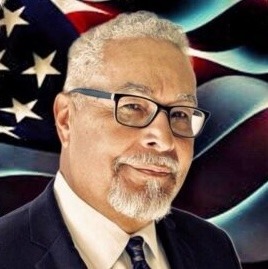
Frank J. Smith's tours of active duty included serving as a Personnel Chief at Marine Corps Air Station, Marine Drill Instructor, NCOIC of the Marine Detachment, and Personnel Chief to the Chief of Staff, 2nd Marine Division.
Jamaal Williams spent his early years as a Sailor onboard the USS Briscoe where he formulated much of his life perspective.
Leslie Lawner lives in Albuquerque, where she does work for the New Mexico Holocaust Museum and the Olga Lengyel Institute for Holocaust Studies

Congressional District 1

Bruce Miller retired in 2017 after working 38 years for two of the world's largest IT companies. After spending most of his adult life in Texas, he and wife Carol moved to Albuquerque in late 2018, and enjoy the climate, outdoor recreation, and especially living in a Blue state.
Spike Murphree, LTCOL (ret), served in the Air Force for 28 years. He flew F-111s, deployed to Desert Storm, served as a liaison to the U.S. Army, had two tours in the UK including teaching Air Ground Operations at the Joint Warfare Staff school.

Congressional District 2

Shannon Reynolds volunteered to serve in the USAF during Vietnam despite receiving a Class-H exemption from the draft. He was a Disbursement Accounting Specialist at Chanute AFB and a Security Police augmentee.

Congressional District 3

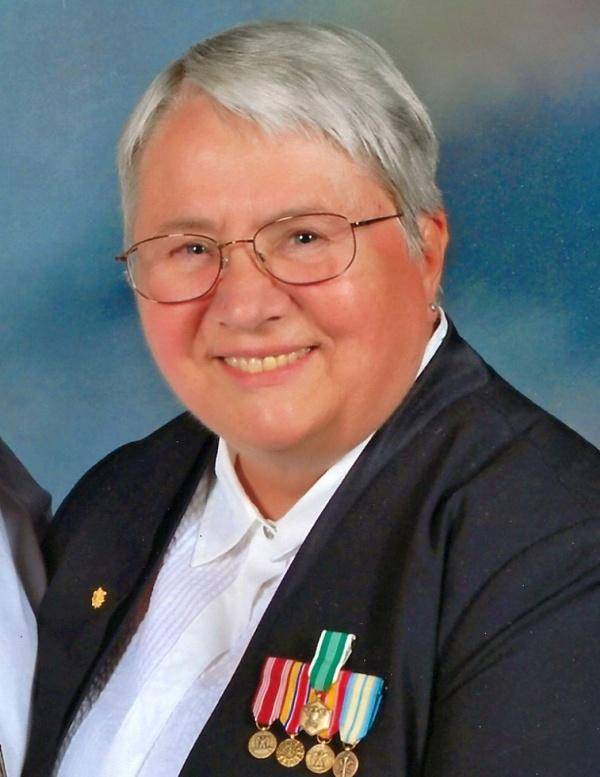
Dorothy Seaton, MAJ (ret), is a Vietnam-era veteran who enlisted as a private in the U.S. Army in 1971, attended Women’s Army Corps (WAC) basic training, and served on active duty as a medical records photographer at Brooke Army Medical Center.
Beverly Neal-Clinton is a problem-solver known for her intuitive, common-sense, and creative approach. Originally from South Carolina, her journey has taken her around the world, from Australia and New Zealand to Costa Rica, before settling in New Mexico.
Dorothy Seaton, MAJ (ret), is a Vietnam-era veteran who enlisted as a private in the U.S. Army in 1971, attended Women’s Army Corps (WAC) basic training, and served on active duty as a medical records photographer at Brooke Army Medical Center.
Joan Dickerson is a military family member who worked over 30 years for the state of Texas and held positions such as IT Help Desk professional, Business Analyst, and Project Management Support professional. Joan brings her expertise to the Caucus as our Bill Analyst and Tracker.
Bob Carroll, a USMC Vietnam veteran, has lived in NM since 1993 with his wife, Leslie.  He and his wife, a former teacher, have been active in NM politics since 2008.
Claudia Risner, CAPT (ret), is a veteran who served on active duty for 29 years with the U.S. Navy, serving both stateside and overseas as a Fleet Support Officer and Foreign Area Officer. After her active-duty service, she went back to school to earn her PhD in International Studies.
Rick grew up on a series of military bases and in small towns across the US. He worked overseas for 18 years as a contractor with both the Defense Department and State Department before returning to New Mexico with his wife, Claudia Risner (a Navy veteran).
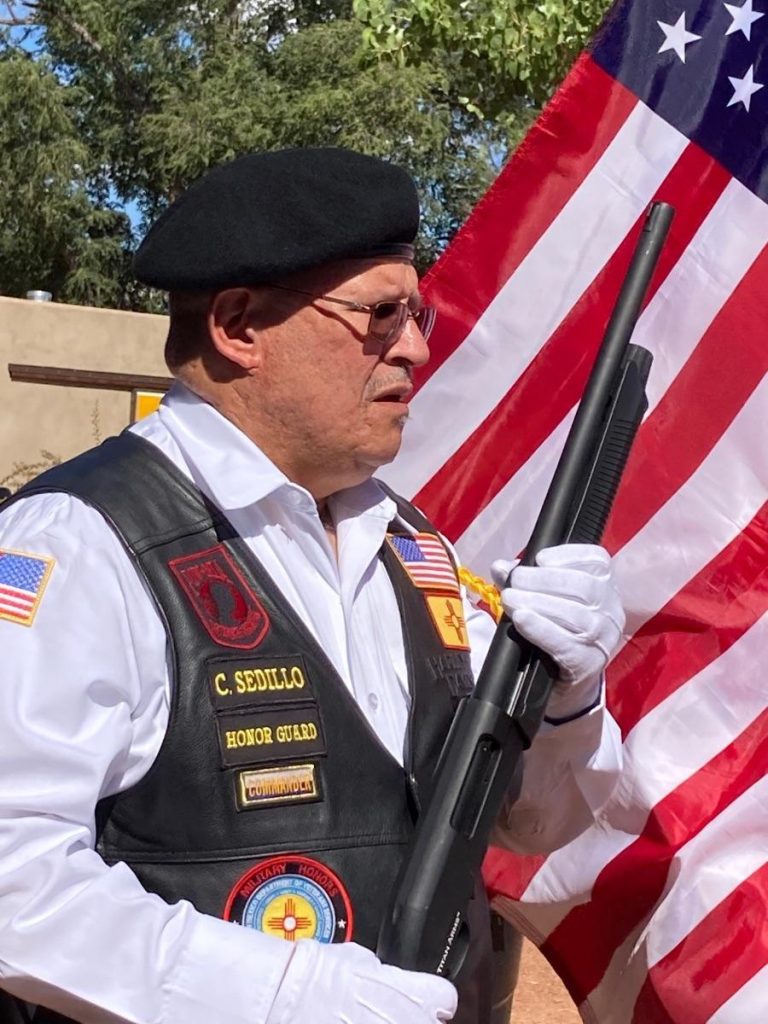
Chris Sedillo spent 26 years in the US Navy. After he returned to civilian life, Sedillo took numerous job-certification classes, became a primary caregiver for members of his family, ran for Albuquerque City Council, and bought a house in southwest Albuquerque that he plans to live in for the rest of his life.
Shannon Reynolds volunteered to serve in the USAF during Vietnam despite receiving a Class-H exemption from the draft. He was a Disbursement Accounting Specialist at Chanute AFB and a Security Police augmentee.
Frank J. Smith's tours of active duty included serving as a Personnel Chief at Marine Corps Air Station, Marine Drill Instructor, NCOIC of the Marine Detachment, and Personnel Chief to the Chief of Staff, 2nd Marine Division.
Jeff Bleau joined the Navy in 1974 and entered the Nuclear training program. After separation from active service he entered college and found his way into the commercial nuclear industry.
Greg Seeley is a retired US Air Force veteran and dedicated public servant with extensive public policy and administration experience. Greg served 12 years on active duty
NM Representative Debbie Sariñana is serving her third term representing House District 21 in Albuquerque. Rep. Sariñana currently serves on the House Energy, Environment and Natural Resources Committee, and the House Appropriations and Finance Committee. Her focus in the legislature has been education, crime, defense and energy. 
Harold Pope Jr., Capt (ret), is a USAF veteran who served in both the enlisted and officer ranks on both active duty and in the reserves. He retired at Kirtland AFB in 2018 with over 20 years of honorable service.
Walt Borton served in the US Navy from Oct 1969 – Oct 1973. Bootcamp was at Great Lakes, and after several weeks helping at the US Naval Hospital prosthetics center in Philadelphia, spent the remainder of his enlistment at the NATO Southern Region Headquarters in Naples, Italy. He studied journalism at Ohio University and earned a political science degree from Boston University in 1975.
Panaiotis has been programming computers and developing technology for as long as he has been composing and performing music. He was a research assistant professor of Computer Engineering and Fine Arts at UNM, developing VR based data display systems for LANL and DTRA.
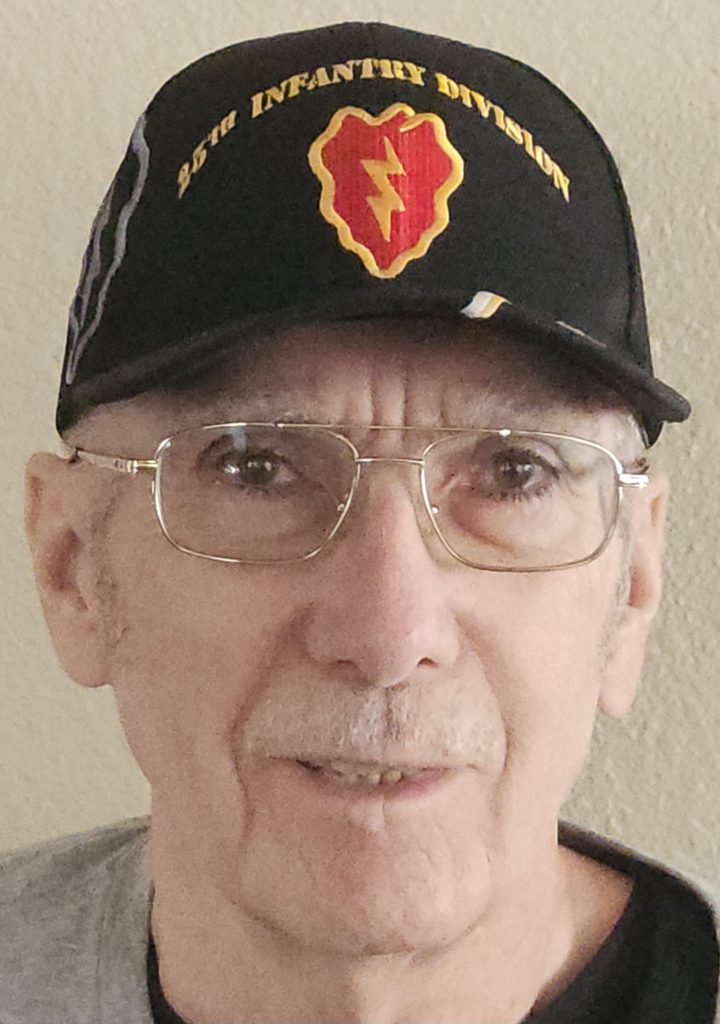
Mark Finley beat the draft by volunteering and serving in the U.S. Army’s 25th Infantry Division.  Upon separating with an Honorable Discharge he came to Albuquerque and became the photographer for the Civic Light Opera.
Sue writes Communications articles and does outreach for the caucus. She enjoys interviewing veterans for the monthly Veterans Spotlight. She is a military family member. Her dad served in WWII and her husband in the Illinois Army National Guard in the 1970s.
Officers